
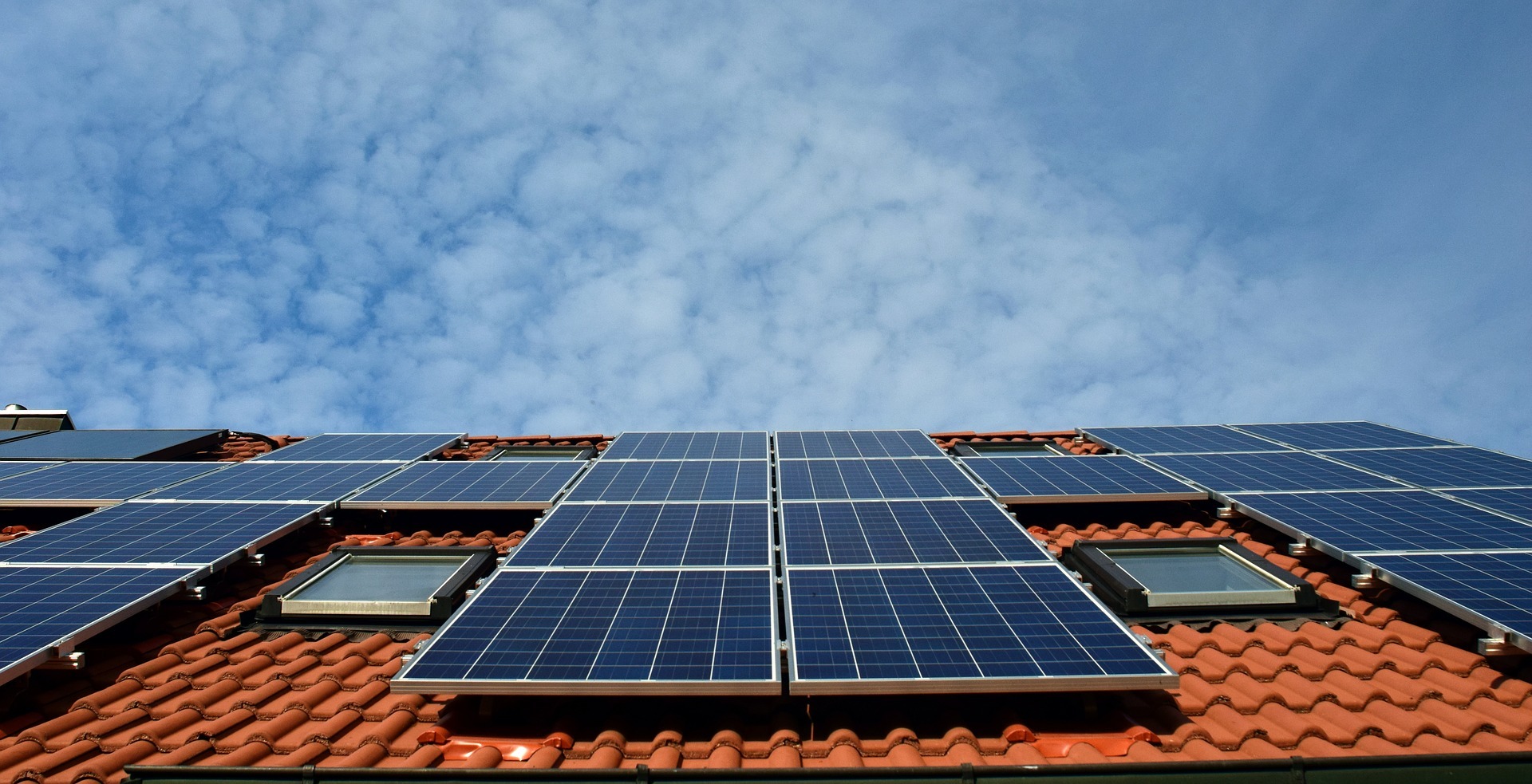
Many homeowners anticipate a drastic cut in energy costs after installing solar panels. While most see great savings, others become frustrated when the bills show up nearly the same as those without solar. Various factors can contribute to the problem, and if you find yourself in this situation, don’t stress! We prepared an ultimate guideline to help you tackle the problem.
Solar Generation Timing vs. Your Energy Use
Solar panels only generate power when there is sunlight. If you do not have a solar battery and choose to use appliances during nighttime, most of the electricity you use will come from the grid instead.
Another element for solar energy is the feed-in tariffs. It allows you to sell excess electricity from the panels back to the grid. However, feed-in rates declined in 2025, minimizing the financial return. You should not depend on feed-in tariffs for cutting costs, as they are only useful to some degree.
Why Load Shifting Matters
“Load shifting” means shifting your energy use to match the times when your solar panels are generating electricity. Noting that you draw energy from the grid during nighttime, simple alterations to your daily activities can greatly minimize your dependence on grid power and save you a lot on the energy bill. Running energy-intensive equipment such as dishwashers, washing machines, and dryers in the daytime will help you get the most out of your solar electricity. Using air conditioning or heating systems to precool or preheat your home during the day also means less reliance on the grid in the evenings. Another suggestion would be running pool pumps and water heaters only when the sun is up. Understanding the “when” makes a big difference.
Managing Higher Consumption Habits
While load shifting helps, broader consumption habits also play a role in keeping energy costs low. Solar panels can only offset so much usage. Without mindful consumption, particularly during peak evening hours, savings may fall short.
Common issues include running appliances at night, keeping devices and lights on when not in use, using inefficient appliances, and increased energy consumption from work-from-home setups. It is true that solar panels reduce dependency on grid usage during the daytime, but bad consumption habits can easily offset the benefits.
Energy-efficient upgrades, such as changing to LED lighting or choosing high-rating appliances, can further amplify benefits from solar. Installing a smart meter provides visibility into when and how you are using electricity. Real-time data from smart meters or solar apps helps to facilitate consumption tracking and behavior changes.
Check for System Issues
If you’ve tightened up your energy usage but your bills still haven’t budged, it might be a sign that there’s something wrong with your solar installation.
Inadequate Panel Placement or Shading
Poor positioning or shading can severely cut down your system’s output. Even one panel in partial shade can pull down the whole array if optimisers aren’t installed. Panels should be placed to catch as much sun as possible throughout the day.
If the system wasn’t sized properly when it was installed, it might not be able to handle your daily energy needs, especially during peak times. Ultimately, a system that’s too small won’t generate enough power to cover your household consumption.
Inverter Problems and System Activation
Inverters are a common point of failure. They’re responsible for converting the DC power your panels produce into AC power. If the inverter fails, your system can’t deliver energy to your home or the grid, and your potential savings drop.
Another common issue is system activation. Some homeowners think their system is running the moment it’s installed, but there can be extra paperwork, inspections, or technical steps needed before activation. Always check that your system is fully operational, and monitor its performance through the app provided by the manufacturer.
By checking your system regularly, you can catch underperformance early. Trusted solar inspectors and installers offer inverter replacement and system maintenance services to keep your solar running strong all year round.
Technology to Support Load Shifting
Technology is making it easier to shift loads. Intelligent appliances and home energy management systems can automatically schedule energy-intensive activities for when the sun is out. The latest solar hot water systems come equipped with timers and smart settings that control heating based on energy production. With smart meters, households can actively manage their energy use throughout the day.
For those wanting to minimize grid dependence even further, installing solar batteries has become more affordable thanks to federal rebates and decreasing battery prices. Those batteries store the extra solar energy produced during the day for use at night.
Monitoring and maintenance
Frequent monitoring helps reduce downtime for solar panels and inverters. By scheduling maintenance at least once a year, you can catch early signs of wear or performance drops and fix issues before they hurt your output. Continuous attention to optimization is what will keep your energy bills in check over the long run.

Understanding Solar System Performance
Solar production varies based on system size, geographic location, and seasonal changes. Comparing your system’s output against regional averages helps spot issues early. In Melbourne, a well-installed system typically generates between 3.5 to 4.5 kWh per kW of installed capacity daily.
If your system consistently underperforms, tools like the PVWatts Calculator or your inverter’s monitoring app can provide a clearer picture. In cases of consistent low output, it may be time for a professional inspection.
Annual inspections are recommended to maintain performance. Homeowners looking for enhanced resilience might also consider off-grid solar solutions, which provide backup power during grid outages.
Ready to Start Saving More?
If you are ready to cut your electricity bills and make your solar system work harder for you, it is essential to have the right setup and strategy. Explore solar panel installation costs and find out how you can optimize your system today with expert guidance.