
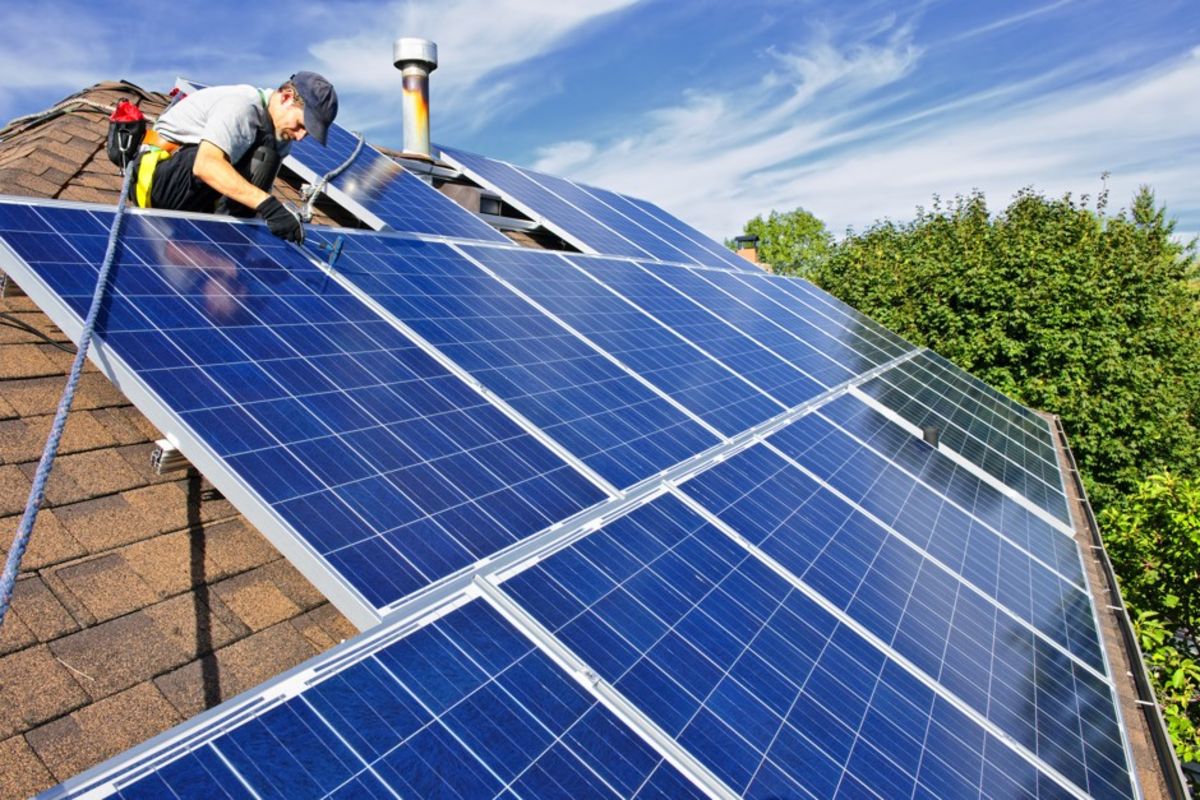
Power bills keep creeping up across Victoria, and for many households, the Solar Homes Program has become the simplest way to cut costs.
The solar rebates on offer in Victoria are still very much alive in 2025, but there’s a caveat. They come with eligibility rules, deadlines, and limited spots each month.
That’s why Solar Flow has pulled together this overview.
Here, you will learn about the current solar rebates in Victoria, who is eligible to apply, and how the process actually operates. We’ll also give helpful tips on how to make the best choice and maximise your solar investment.
What’s the Current Solar Rebate in Victoria?
Victorian households installing solar in 2025 can still access generous support.
Solar rebates in Victoria have offers of up to $1,400 off on solar panels, along with a no-interest loan for the same amount. Rebates also extend to batteries, heat-pump hot water systems, and some rental properties, broadening the benefits beyond homeowners.
On top of that, the federal Small-scale Technology Certificates (STCs) typically reduce costs by around $2,500, making solar far more affordable than it was a few years ago.
And yes, these benefits are still available in 2025. But there’s a catch.
This assistance is rolled out monthly and in limited numbers. That means you should apply early in the month to have a better chance of securing your savings.
Who’s Eligible for the Solar Rebate in Victoria?
To be eligible for the Victorian solar rebate, your household has to tick a few boxes.
- Your combined annual income needs to sit below $210,000
- The property should be valued at under $3 million
- It should also not have received a rebate in the last 10 years
- Installation must be completed by an authorised solar provider.
There are also some special cases. New builds can apply during the planning stage, rental properties have specific rules, and if you’ve moved houses, you may apply again, provided you haven’t used the rebate before.
How to Apply: Step-by-Step
The application process is straightforward. Just follow these steps:
- Get a quote from an authorised, Clean Energy Council-accredited installer, such as Solar Flow.
- Your installer submits the quote and details through the Solar Victoria portal.
- Upload your documents (proof of income and property ownership).
- Wait for approval and your QR code, which confirms eligibility.
- Installation goes ahead, and you only pay the remaining balance after rebates/loans are applied.
Many homeowners worry about unreliable installers, and fair enough. At Solar Flow, we recommend checking accreditation, insisting on an on-site roof inspection, and being wary of “too-good-to-be-true” prices.
Choosing quality up front helps ensure your rebate is approved, and your system runs safely and efficiently for years.
Rebates for Renters and Rental Providers
Solar rebates in Victoria are not restricted to homeowners only. They are available for rental providers and renters too.
- Rental providers can receive up to $1,400 off the purchase price, plus an interest-free loan, limited to two properties per year.
- Renters, on the other hand, can opt to share in the loan repayments up to the maximum amount of $14.58 a month. This ensures that the savings are shared on an equitable basis.
It’s also worth mentioning that the dedicated apartment program closed in early 2025 but could open again in the future. So it’s worth keeping an eye out.
And to clear up a common concern: rental providers don’t keep all the savings. If a tenant helps repay the loan, the law requires that they also share in the benefits of lower bills.
Are Solar Batteries Worth It?
In recent years, solar batteries have received a boost through new incentives. Until May 2025, households could access an $8,800 state loan, now replaced by the Cheaper Home Batteries program, which covers 30% of the battery cost (up to $18,500).
That said, the payback period is usually between 7 and 15 years, which means batteries aren’t always the best financial move right away.
For many families, it makes sense to install a solar battery and solar panels together.
Feed-in Tariffs Are Falling: What Does That Mean for You?
From 2025 to 26, Victoria’s minimum feed-in tariff will fall to just 0.04¢ per kWh. It’s no surprise that many homeowners are asking if solar will still deliver real savings.
The short answer is yes, but the way you save has shifted.
Nowadays, you’ll get more for your investment by using your own solar energy as it is produced, rather than selling it back. The key is to change some things in your day-to-day routine, like doing the laundry and water heating during the day.
By making the most of your own generation, you’ll squeeze more value out of every kilowatt.
How Much Can You Save?
In Melbourne, when federal incentives are included, the cost of a 6.6 kW solar system is typically a one-time cost of about $6,000. For most households, this results in a savings of about $1,200 a year.
That means the payback is usually within about 3 to 5 years.
Once you add a battery, however, your payback now is spread out in a range of 7 to 10 years, and even longer, to recover the up-front cost/bill, depending on how much electricity your household consumes during home hours, namely at night.
The financial, savings, and payback benefits are not just about dollars. Being less dependent on higher costs of energy can provide homeowners greater independence, and that sense of security is worth as much as the lower energy bills.
It’s also worth mentioning that more and more buyers are looking for quality solar systems backed by strong warranties. That means that, with or without a battery, a solar system can also help create a value-added item when you want to sell.
Common Pitfalls to Avoid
With rebates, there are a few things we can do wrong that can strip away our savings:
- Do not get yourself stuck using a bargain installer that cuts corners. These systems frequently perform poorly or are not covered by warranties.
- Wait until you receive the rebate before installing your solar system. You could lose all funding if you begin the installation before your rebate is accepted.
- Avoid relying strictly upon feed-in tariffs. Feed-in tariffs have been dropping for years, and their purpose now is to increase your self-consumption.
The bottom line is that the cheapest quote isn’t always the smartest choice unless it includes quality equipment and solid guarantees. And if a company won’t inspect your roof in person, that’s a red flag worth walking away from.
Wrapping Up
Rebates have taken a lot of the sting out of going solar in Victoria, but the outcome still comes down to how you approach it. Make sure you’re eligible, get quotes from accredited installers, and try to lodge your application early in the month before places fill up.
Just as important is how you use the system. The biggest savings now come from running appliances when the sun is out, not from exporting power.
With the current mix of incentives, reliable installers, and a few smart habits at home, solar remains one of the most effective ways for Melbourne households to cut bills and take more control over their energy.